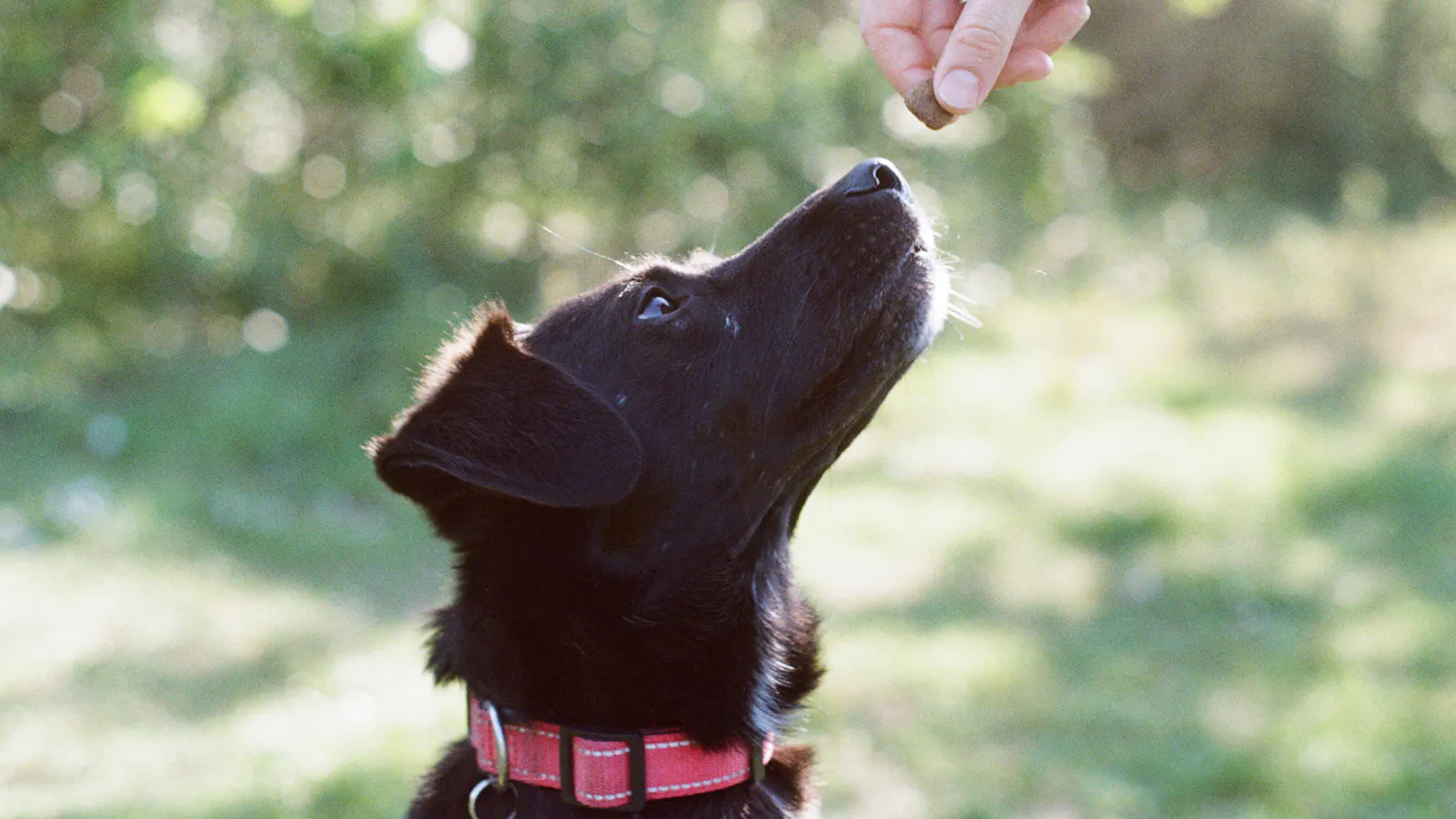
The 5 best dog training centres in Alicante
Chosen for their Google reviews and checked in November 2026.
Pets and motoring
No. 1: SeguraCan
4.9on GoogleGoogle rating: 4.9 out of 5Family-run dog centre in the El Rebolledo area that combines a training school with a boarding hotel for pets, with more than 30 years of experience caring for and training dogs since 1990.
It offers one-to-one classes at its centre (a minimum of ten sessions in which the owner works with their dog, guided by the instructor) and residential training. They work on basic obedience and on correcting behaviours such as separation anxiety, aggression or lack of socialisation, and before starting they offer a free consultation to assess the dog.
Contact details for SeguraCan
- Camí del Rebolledo, 12, 03699 Alicante
- 669 74 46 62
- seguracan.es
No. 2: Akra-can
4.2on GoogleGoogle rating: 4.2 out of 5Dog centre founded in 1983 in the Moralet area, which now has 7,000 m² facilities with a training school, boarding kennels and a dog club.
It is run by Víctor Orduña Rodríguez, a qualified dog trainer (no. CV-acc-19) and teacher on the official training courses for new trainers. They place special importance on socialising dogs with people and with other animals.
Contact details for Akra-can
- Partida Moralet, Av. Pescados, 40, 03699 Alicante
- 965 66 78 80
- akra-can.es
No. 3: Tera-Can (Pascual Educación Canina)
4.7on GoogleGoogle rating: 4.7 out of 5Dog education and training centre in Fontcalent whose aim is to turn each owner into their own dog's trainer, teaching them how their pet thinks and communicates.
They work on changing inappropriate behaviours, such as urinating indoors, aggression, fears or phobias, and run training seminars and play and socialisation days. They also teach controlled off-lead walking, recall and cognitive games.
Contact details for Tera-Can (Pascual Educación Canina)
- Diseminado Fontcalent, 126A, 03699 Alicante
- 617 33 52 17
- pascual-educacion-canina.es
No. 4: Neacan
5.0on GoogleGoogle rating: 5.0 out of 5Dog training and education school with its own sport obedience club (ODU), certified by cynological associations.
They offer home training, behaviour modification, puppy training and socialisation work, with special attention to dogs with fears or phobias. You can also do sport with your dog at the club and improve obedience techniques.
No. 5: Psico-kan
4.7on GoogleGoogle rating: 4.7 out of 5Dog training centre and dog hotel with an ethical, individual approach based on behavioural psychology, with programmes designed by qualified professionals.
They specialise in dogs with behavioural and emotional difficulties: aggression towards people or other animals, anxiety, fears and phobias, excessive barking, destructive behaviour or lack of self-control. They also teach basic obedience and work in Alicante, Elche and the surrounding area.
Contact details for Psico-kan
- C. Presbítero Baltasar Carrasco, 31, 03005 Alicante
- 667 71 92 79
- umi2674.wixsite.com
How much does dog training cost in Alicante?
| Service | Guide price |
|---|---|
| Initial assessment of the dog | Free – 40 € |
| One-to-one class (1 hour) | 30 – 60 € |
| Pack of 5-6 one-to-one sessions | 150 – 300 € |
| Basic obedience group classes | 50 – 100 €/month |
| Puppy training (socialisation) | 50 – 120 €/month |
| Behaviour modification (anxiety, aggression) | 50 – 90 €/session |
| Residential training at the centre | from 400 €/month |
Guide prices from dog training centres in 2026. They vary with the method, group size and whether the work is done at the centre or at home. Ask in writing what each pack includes.
Frequently asked questions
How much does it cost to train a dog in Alicante?
A one-to-one class usually costs between 30 and 60 euros an hour, and a pack of five or six sessions between 150 and 300 euros. Basic obedience group classes cost around 50-100 euros a month. Behaviour cases cost more.
At what age should puppy training start?
You can work on socialisation and basic routines from the moment the puppy arrives home, usually after it has completed the vaccination schedule set by the vet. The sooner you start with positive reinforcement, the easier it is to avoid behaviour problems.
How many sessions are needed to see results?
For basic obedience (sit, stay, come, walking without pulling), 5 to 10 sessions are usually enough if the owner practises every day. Behaviour problems such as separation anxiety or reactivity need more time and an individual plan.
What is the difference between training at the centre and at home?
At the centre there is a controlled environment and other dogs to socialise with; at home the problem is worked on where it happens, which is useful for barking, damage or anxiety. Some centres combine both options, and home visits may carry a travel surcharge.
How do I choose a good trainer?
Ask about the method (ideally positive reinforcement, with no punishment collars), their accredited training, the number of dogs per group and whether they offer a first assessment. Be wary of anyone who guarantees results in a few days or uses force.
Is this your business and is something wrong? Write to us.